
What Affects the Cost of Dental Implants in Fort Myers, FL?
Dental implant cost varies because implant treatment is not one single item. The total estimate can depend on how many teeth are missing, how many implant fixtures are needed, whether extractions or bone grafting come first, the type of final restoration, imaging, surgical planning, abutments, temporary teeth, provider coordination, and follow-up maintenance. This article does not list prices, because an accurate number depends on an implant consultation and a personalized treatment plan. Patients considering dental implants in Fort Myers are often surprised to learn how many separate pieces, from the implant fixture and abutment to the final crown, bridge, or denture, make up one course of treatment.
Dental implant treatment can include both surgical and restorative phases. A complete estimate should explain what falls into each phase and what is included in the total. Two estimates for what looks like the same procedure may differ simply because they cover different components. The goal is not to find the cheapest line item. It is to understand the full treatment plan behind the number.
Why Does Dental Implant Cost Vary From Patient to Patient?
Dental implant cost varies because patients do not all need the same number of implants, procedures, restorations, materials, imaging, or appointments. Two people replacing a missing tooth can walk away with very different treatment plans depending on their bone health, gum health, and long-term goals.
Is a Dental Implant One Cost or Several Components?
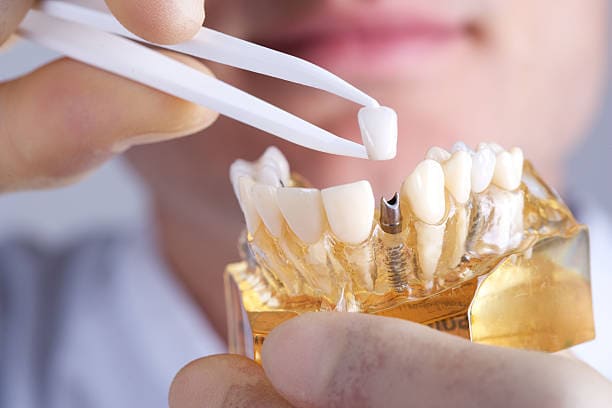
Many patients assume “implant” refers to one single item, similar to buying a crown or a filling. In reality, a complete implant treatment plan usually involves several parts working together:
- The implant fixture, which is placed in the jawbone
- The implant abutment, which connects the fixture to the visible tooth
- The implant crown, bridge, or denture, which is the final restoration patients see and use
The surgical placement of the fixture and the restorative work to attach the final crown, bridge, or denture may be billed as separate phases or combined into one treatment plan, depending on the office. A clear estimate should state which of these pieces are included and which are not, so patients aren’t left guessing partway through treatment.
Why Can Two Implant Estimates Look Very Different?
One implant estimate might include a consultation, CBCT imaging, an extraction, bone grafting, the implant fixture, an abutment, a temporary restoration, the final crown, and follow-up visits. Another estimate for what sounds like the same procedure might only reflect one phase, such as the surgical placement of the fixture.
Neither estimate is necessarily wrong. They may simply be describing different amounts of treatment. Patients comparing quotes should look closely at what each number actually covers rather than assuming two estimates represent the same scope of care.
Why Should Patients Avoid Comparing Only the Lowest Price?
A lower estimate is not automatically a better value. It may leave out the final restoration, list bone grafting as an add-on to be determined later, price imaging separately, or plan for fewer follow-up visits and less ongoing maintenance than a case actually needs. None of this means a lower-cost estimate is a poor choice. It simply means the scope of that estimate deserves the same close look as a higher one.
The quality of diagnosis and planning behind an estimate matters as much as the total itself. A well-planned treatment plan, even a more involved one, is often the more predictable path toward a comfortable, functional result.
How Does the Number of Missing Teeth Affect Implant Cost?
The number of teeth being replaced is one of the biggest reasons implant treatment plans differ from patient to patient. Replacing one tooth is a fundamentally different project than rebuilding a full arch, and the components involved change accordingly.
Replacing One Missing Tooth With an Implant Crown
A single missing tooth typically involves one implant site, one implant fixture, one abutment, and one implant crown, along with the imaging and planning needed to place them accurately. Depending on the condition of the tooth being replaced, a patient may also need an extraction or bone grafting before the implant itself can be placed. Patients exploring this option can review Mitchell Dentistry’s single-tooth dental implant page for more detail on what this specific treatment path involves.
Replacing Several Missing Teeth With an Implant Bridge
Patients missing more than one tooth do not necessarily need a separate implant for every missing tooth. An implant-supported bridge can often replace several teeth using fewer implant fixtures than there are missing teeth, depending on spacing, bite force, and available bone volume. The restoration material and bridge design also factor into the treatment plan. This approach can look and function differently from a traditional fixed bridge or a removable partial denture, which is one reason cost structures between these options aren’t directly comparable.
Replacing a Full Arch With All-on-4 or Implant-Supported Dentures
Replacing a full arch of teeth is a more complex undertaking than replacing one tooth. It typically involves multiple implants, closer surgical and restorative coordination, a temporary prosthesis worn during healing, a final prosthesis, and an ongoing maintenance plan. Patients considering this path can review Mitchell Dentistry’s full-arch dental implants page to see how this option compares to replacing individual teeth. A fixed full-arch design and a removable, snap-on implant denture use different attachment systems and follow different cost structures, even though both rely on implants for support. Patients weighing All-on-4 vs. snap-on dentures should discuss both options directly with their dentist, since the right fit depends on bone volume, bite needs, and long-term maintenance preferences.
How Do Implant Components Affect the Total Estimate?
Because implant treatment includes several distinct parts, from the implant fixture and abutment to the implant crown, bridge, or denture, it helps to understand how each one contributes to the overall plan. Reviewing the parts of a dental implant in more detail can also make it easier to see how these pieces work together as a treatment.
Does the Implant Fixture Affect Cost?
The implant fixture is the part surgically placed into the jawbone to act as a replacement tooth root. The implant system used, the size of the fixture, the surgical planning involved, and the provider’s fees for placement can all factor into this part of the estimate. Patients who want details on a specific implant system used at a given practice should ask directly during their consultation, since systems and providers can change over time.
Does the Abutment Affect Cost?
The abutment is the connector piece that attaches the implant fixture to the visible crown, bridge, or denture. Some cases use a stock abutment, while others require a custom abutment based on the angle of the implant, the surrounding gum shape, esthetic goals, or specific prosthetic needs. Because the abutment is a distinct component, it should be clearly listed as included or excluded in any written estimate rather than left out of the total.
Does the Implant Crown Affect Cost?
The implant crown is the visible replacement tooth attached to a single implant. Material choice, the design and shade matching needed for a natural appearance, and bite adjustments during fitting can all influence this part of treatment. Some practices use digital or same-day crown workflows, which can change how the restorative process is scheduled, though this depends on the case and the technology available.
How Do Implant Bridges and Dentures Change the Cost Structure?
A bridge replaces multiple teeth using a connected framework, while a denture or full-arch prosthesis replaces many teeth or an entire arch. Larger prostheses generally require more design work, more material, more appointments, and a more involved long-term maintenance plan than a single crown. Removable implant dentures may also involve attachments or a supporting bar, which adds another component to account for in the estimate.
How Do Imaging and Digital Implant Planning Affect Cost?
Before any implant is placed, the dentist needs a clear picture of the bone, gum tissue, and surrounding anatomy. This planning stage is part of the value of implant treatment, not a separate add-on.
Why Might CBCT Imaging Be Needed?
Cone beam computed tomography, or CBCT, can help a dentist evaluate bone height and width, surrounding anatomy, nearby nerves, sinus position, and the exact implant site in three dimensions. This kind of CBCT implant planning may be useful for single-tooth cases, multiple-tooth cases, or full-arch planning, and it should be used when it’s clinically justified for the specific case rather than as a routine add-on for every patient.
Does Guided Implant Planning Affect Cost?
Some cases use guided implant planning, which can involve specialized software, the design of a surgical guide, fabrication of that guide before surgery, and additional planning time to coordinate all of these steps. Not every implant case needs a guide. Guided planning tends to be more relevant for full-arch cases, patients with limited bone volume, or cases involving complex anatomy where precision matters most.
Why Is Planning Part of the Value, Not Just an Add-On?
Where an implant is positioned affects how well the final crown, bridge, or denture fits and functions. Poor planning at the outset can lead to bite problems, esthetic issues, prosthetic complications, or maintenance issues down the road. A thorough treatment estimate should reflect the diagnostic and restorative planning behind a case, not just the cost of the surgical placement itself.
How Do Bone Grafting, Extractions, and Gum Health Affect Dental Implant Cost?
Some patients are ready for implant placement right away. Others need preparatory treatment first, which can add steps and cost to the overall plan.
Does Bone Grafting Affect Dental Implant Cost?
Yes, bone grafting can affect the total estimate when the implant site does not have enough available bone to support a fixture on its own. According to the American Association of Oral and Maxillofacial Surgeons, total implant cost varies from person to person and should be discussed directly with the surgeon performing the procedure. This kind of bone grafting before dental implants can involve graft material, a supporting membrane, an additional appointment, a staged healing period, and follow-up imaging or evaluation before the implant itself is placed. All of this adds complexity and time to the treatment plan.
Do Tooth Extractions Affect the Cost?
Some patients need a failing or damaged tooth removed before an implant can be placed. Extractions can range from routine to more involved, depending on the tooth’s position and condition, and the dentist may discuss socket preservation to help maintain bone at the extraction site. Whether the implant is placed immediately after extraction or after a healing period also changes the sequence and number of appointments involved.
Does Gum Disease Need to Be Treated First?
Active gum disease can affect implant planning and may need to be addressed with periodontal treatment before implant surgery moves forward. Healthy gums are also important for long-term implant maintenance once treatment is complete, so periodontal health is often one of the first things evaluated during a consultation.
How Does Implant Candidacy Affect the Treatment Estimate?
Every implant treatment plan starts with an evaluation to determine what a specific patient actually needs.
What Does an Implant Evaluation Include?
A thorough implant evaluation typically reviews:
- The number and location of missing teeth
- Gum health
- Bone volume at the implant site
- Bite alignment
- Medical history
- Smoking or nicotine use
- Diabetes or other systemic health conditions
- Existing dentures or bridges
- Current X-rays or CBCT imaging
- The patient’s desired final restoration
Why Can Long-Term Tooth Loss Make Treatment More Complex?
Teeth that have been missing for a long time often lead to bone resorption, changes in the gum ridge from long-term denture wear, shifting of neighboring teeth, and bite changes. These factors can make treatment more involved, sometimes requiring grafting, full-arch planning, or a multiple-stage approach that a more recent case might not need.
Can Medical Conditions Change the Plan?
Certain medical conditions can influence the timing of treatment, healing expectations, risk management, and how closely different providers need to coordinate care. This can affect the number of visits or the order in which treatment happens. A dentist reviews each patient’s health history individually, so any medical questions or concerns are best discussed directly during the consultation rather than assumed in advance.
How Does the Type of Final Restoration Affect Cost?
The kind of restoration attached to the implant, or implants, is one of the clearest cost variables in any treatment plan.
Implant Crown for One Tooth
A single implant crown involves one implant site, one abutment, and one crown. Getting a natural result means matching the crown’s shade and contour to the surrounding teeth, along with careful bite fit so it feels comfortable when chewing and speaking.
Implant-Supported Bridge for Several Teeth
An implant-supported bridge connects multiple replacement teeth, and in some cases can use fewer implants than there are missing teeth. Framework design, how bite force is distributed across the bridge, and the restoration material selected all factor into planning this type of prosthesis.
Snap-On Implant Denture
A snap-on implant denture is a removable denture that attaches to implants. Over time, these attachments need periodic maintenance, and the denture itself may eventually need relines or replacement, along with regular cleaning and periodic checks to keep it fitting well.
Fixed Full-Arch Prosthesis or All-on-4
A fixed full-arch prosthesis, such as All-on-4, involves a full-arch design supported by multiple implants, which requires close coordination between the surgical and restorative phases of treatment. Most cases include both a temporary and a final prosthesis stage, along with a choice of materials and a professional maintenance plan to protect the restoration over the long term.
Each of these paths involves a different combination of materials, appointments, and long-term care, which is part of why a single-tooth estimate and a full-arch estimate cannot be compared as if they were the same treatment.
How Do Materials Affect Dental Implant Treatment Cost?
Implant System and Fixture Material
Most dental implant fixtures are made from titanium or a titanium alloy. According to the U.S. Food and Drug Administration, a dental implant system generally consists of an implant body and an abutment, and may also include an abutment fixation screw that connects the two. The implant body is the part surgically placed into the jawbone. The right implant system for a given case is a clinical decision made by the dentist based on the patient’s anatomy and treatment goals, not a one-size-fits-all choice.
Crown, Bridge, or Denture Materials
The visible restoration can be made from several different materials, including ceramic, zirconia, acrylic, composite resin, or a titanium framework combined with denture teeth for larger prostheses. Full-arch prosthesis materials are chosen with the same care, since a larger restoration needs to hold up to daily bite force across the entire arch. No single material is the right choice for every patient. The dentist recommends a material based on the location of the restoration, esthetic goals, and how the restoration will function day to day.
Temporary vs. Final Teeth
Some implant cases include a temporary or provisional restoration worn during the healing period before the final crown, bridge, or denture is placed. The final restoration is typically a separate design and fabrication stage. Patients should ask directly whether their estimate includes both a temporary and a final restoration, since this is a common point of confusion.
How Do Provider Roles Affect the Estimate?
Who Places the Implant?
Depending on the case, the implant fixture may be placed by the restorative dentist, an oral surgeon, or a periodontist. Full-arch cases in particular often require close coordination between a surgical provider and a restorative dentist. Patients should feel comfortable asking who is responsible for each step of their treatment, since this can affect scheduling, referrals, and how the estimate is structured.
Who Restores the Implant?
The restorative dentist is generally responsible for designing and placing the final crown, bridge, or denture once the implant has healed. This restorative phase has a significant effect on how the final result looks, fits, and feels, and it plays a major role in long-term comfort and maintenance. At Mitchell Dentistry, this restorative planning and patient-centered care, rather than discount pricing, is what shapes each treatment plan.
Why Does Team-Based Implant Care Sometimes Affect Cost?
When a case involves more than one provider, additional coordination is often needed, including surgical planning, referral coordination, lab or digital design work for the final restoration, separate restorative appointments, follow-up visits, and ongoing communication between the surgical and restorative teams. This kind of team-based care can add steps to a treatment plan, but it also reflects a more thorough approach to a complex case.
What Should Be Included in a Dental Implant Estimate?
A clear, complete estimate should account for each phase of treatment, not just the surgical placement of the implant.
| Estimate Item | Why It Matters |
|---|---|
| Consultation | Determines candidacy and treatment goals |
| Imaging | Evaluates bone volume and surrounding anatomy |
| Extraction | Needed if a failing tooth remains at the implant site |
| Bone Grafting | May be needed to support the implant if bone volume is limited |
| Implant Fixture | Replaces the tooth root in the jawbone |
| Abutment | Connects the implant to the final restoration |
| Crown, Bridge, or Denture | Replaces the visible tooth or teeth |
| Temporary Restoration | May be used during the healing period |
| Final Restoration | The long-term prosthetic result |
| Follow-Up Visits | Monitor healing and fit over time |
| Maintenance | Protects long-term implant function |
What Questions Should Patients Ask About the Estimate?
Before agreeing to a treatment plan, patients can ask:
- Is the implant fixture included?
- Is the abutment included?
- Is the implant crown, bridge, or denture included?
- Is CBCT imaging included?
- Are extractions included?
- Is bone grafting included if it turns out to be needed?
- Is a temporary restoration included?
- Is the final restoration included?
- Who places the implant?
- Who restores the implant?
- Are follow-up visits included?
- What maintenance should I expect later on?
Why Is a Dental Implant Consultation Needed Before Giving a Cost?
An accurate dental implant estimate requires an in-person examination because the dentist needs to evaluate the number of missing teeth, the available bone, gum health, bite alignment, medical history, the exact implant location, and the intended final restoration. None of these details can be determined from a phone call or a general price list.
What Happens During an Implant Consultation in Fort Myers?
A typical consultation includes an oral examination, a discussion of which teeth are missing, a review of health history, an evaluation of gum health and bite, a review of existing imaging or new imaging such as CBCT if appropriate, a discussion of treatment options, a written estimate, and a general timeline for treatment.
What Should Fort Myers Patients Bring to the Consultation?
Patients can make the most of their visit by bringing any existing dentures, prior X-rays if available, a current medication list, relevant medical history, and a list of questions, including whether they are considering a fixed or removable option and any insurance or financing questions. Records from a previous implant or extraction, if applicable, are also helpful for the dentist to review.
Why Should the Estimate Match the Treatment Goal?
A patient replacing one tooth, a patient stabilizing a loose denture, and a patient rebuilding a full arch are not pursuing the same treatment, even though all three involve implants. A useful estimate reflects the actual result a patient wants, not a generic starting point that may not apply to their specific case.
Schedule a Dental Implant Cost Consultation in Fort Myers, FL
Understanding what goes into dental implant treatment, from a single tooth to multiple missing teeth to full-arch options like All-on-4 or implant-supported dentures, makes it easier to evaluate a treatment plan with confidence. Mitchell Dentistry works with patients throughout Fort Myers and nearby Sanibel-area communities to review missing teeth, bone health, and treatment goals so each estimate reflects the patient’s actual needs. If you are exploring dental implants in Fort Myers and want a clear, personalized estimate, schedule an implant consultation with Mitchell Dentistry today.
FAQs About Dental Implant Cost in Fort Myers
Why do dental implant costs vary so much?
Costs vary because treatment can include different numbers of implants, imaging, grafting, extractions, abutments, crowns, bridges, dentures, provider roles, and maintenance needs. No two treatment plans are identical.
Is the implant crown included in the implant cost?
Not always. Patients should ask specifically whether an estimate includes the implant fixture, the abutment, and the final crown or prosthesis, since these are sometimes quoted separately.
Does bone grafting increase the total cost?
It can, if the implant site needs additional bone support before or during implant placement. Not every patient needs grafting, but it’s a common step for those with reduced bone volume.
Does CBCT imaging affect the cost?
It can, depending on whether three-dimensional imaging is needed for the case and whether it’s included in the consultation or listed separately in the treatment estimate.
Are full-arch implants more complex than one implant crown?
Yes. Full-arch treatment usually involves multiple implants, more extensive prosthetic design, bite planning, a temporary prosthesis in many cases, and a more involved long-term maintenance plan.
Are snap-on dentures and All-on-4 priced the same way?
No. These options use different prosthetic designs, attachment systems, maintenance needs, and planning requirements, which means their treatment plans and estimates are structured differently.
Can I get an exact dental implant cost without an exam?
No. A dentist needs to evaluate the implant site, bone volume, gum health, bite, medical history, and desired final restoration before preparing an accurate, personalized estimate.